
Alligator Altar
How Betty Osceola taps into spirituality to confront the prison placed on her tribe’s sacred land.
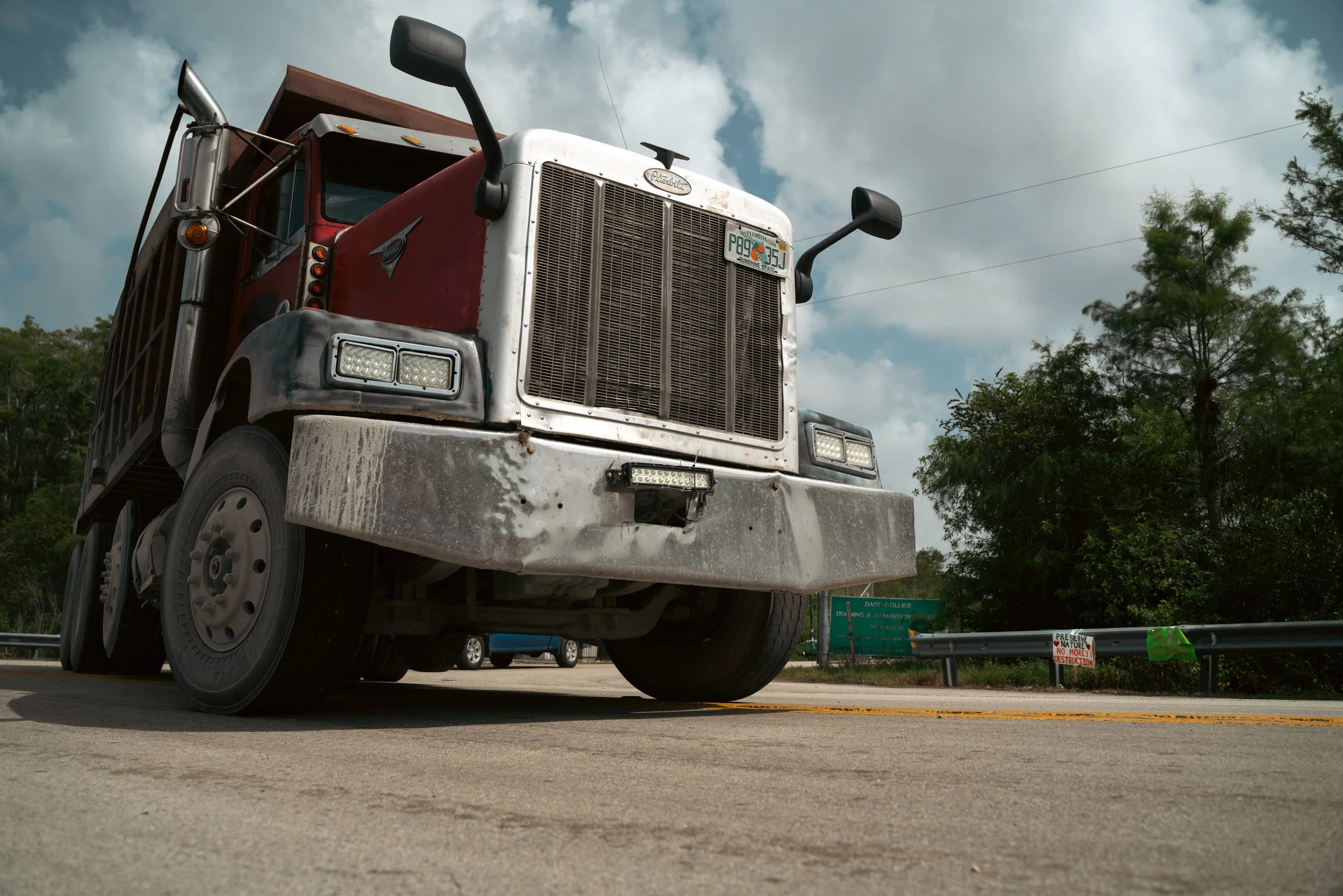
On a scorching Sunday in June, I stood across from the site of what Governor Ron DeSantis has nicknamed “Alligator Alcatraz” as Miccosukee tribe members chanted prayers into the heart of Big Cypress National Preserve. The steady rhythm of drums was interrupted by the roar of freight trucks, hauling tons of construction materials through guarded gates. The land they entered was set to become the largest migrant detention and deportation facility in the country, erected directly within the ancestral territory of the Miccosukee Tribe.
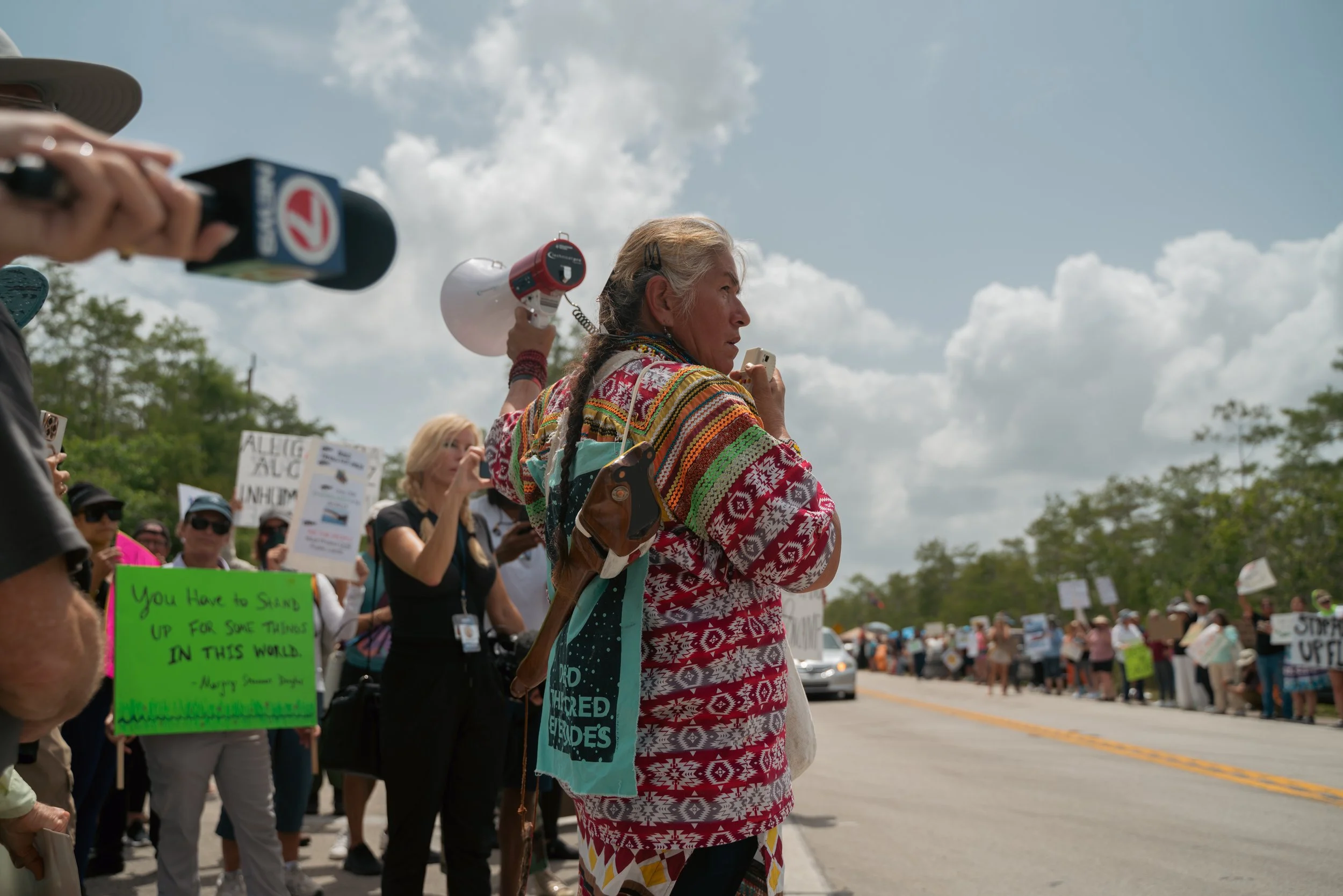
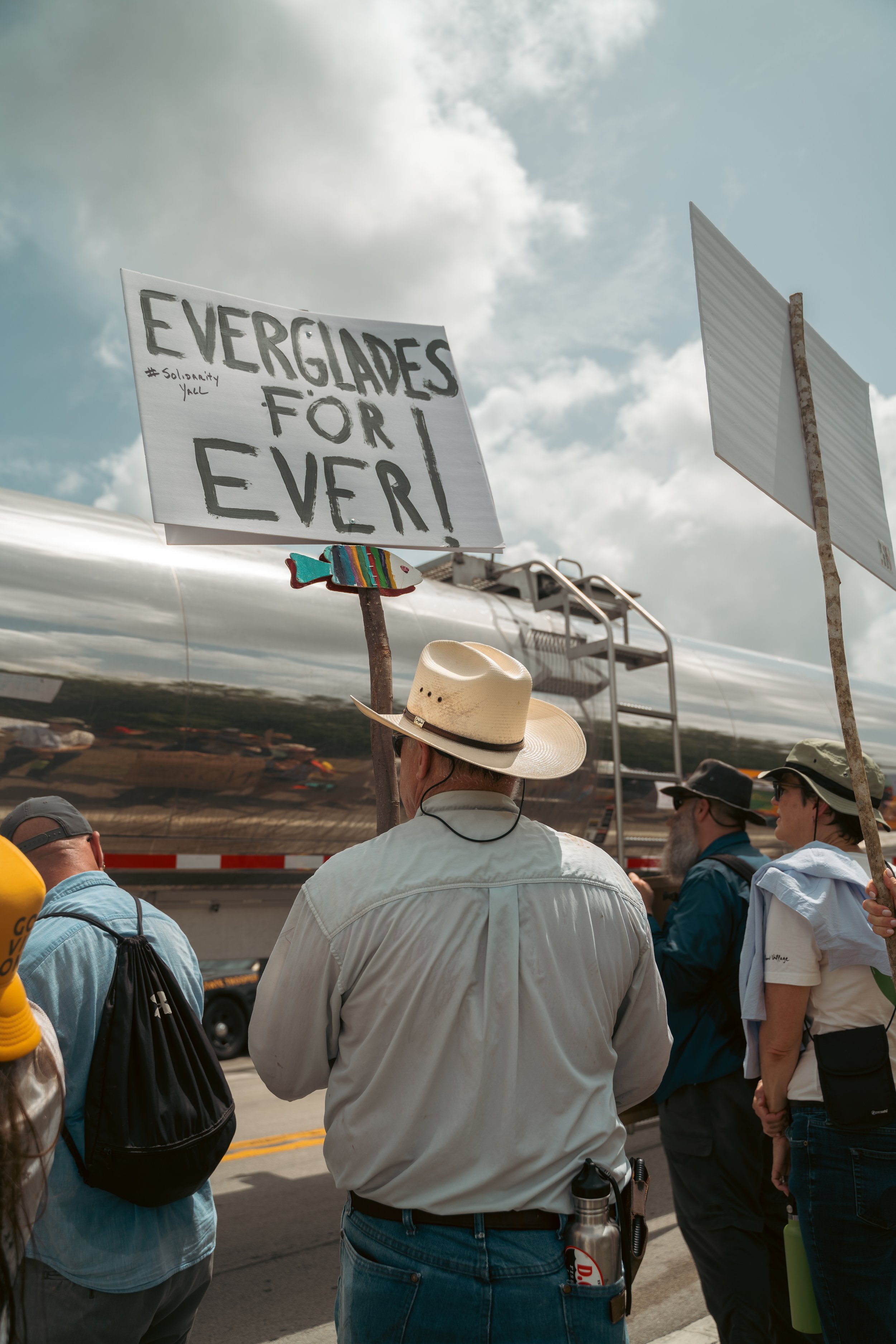
Led by Miccosukee environmental leader Betty Osceola, the demonstration drew hundreds of people to the Tamiami Trail, just beyond the Dade-Collier Training and Transition Airport, to stand in peaceful protest. As people held their signs in silent defiance and Betty stood in prayer, history repeated itself on a stretch of land defined by resistance.
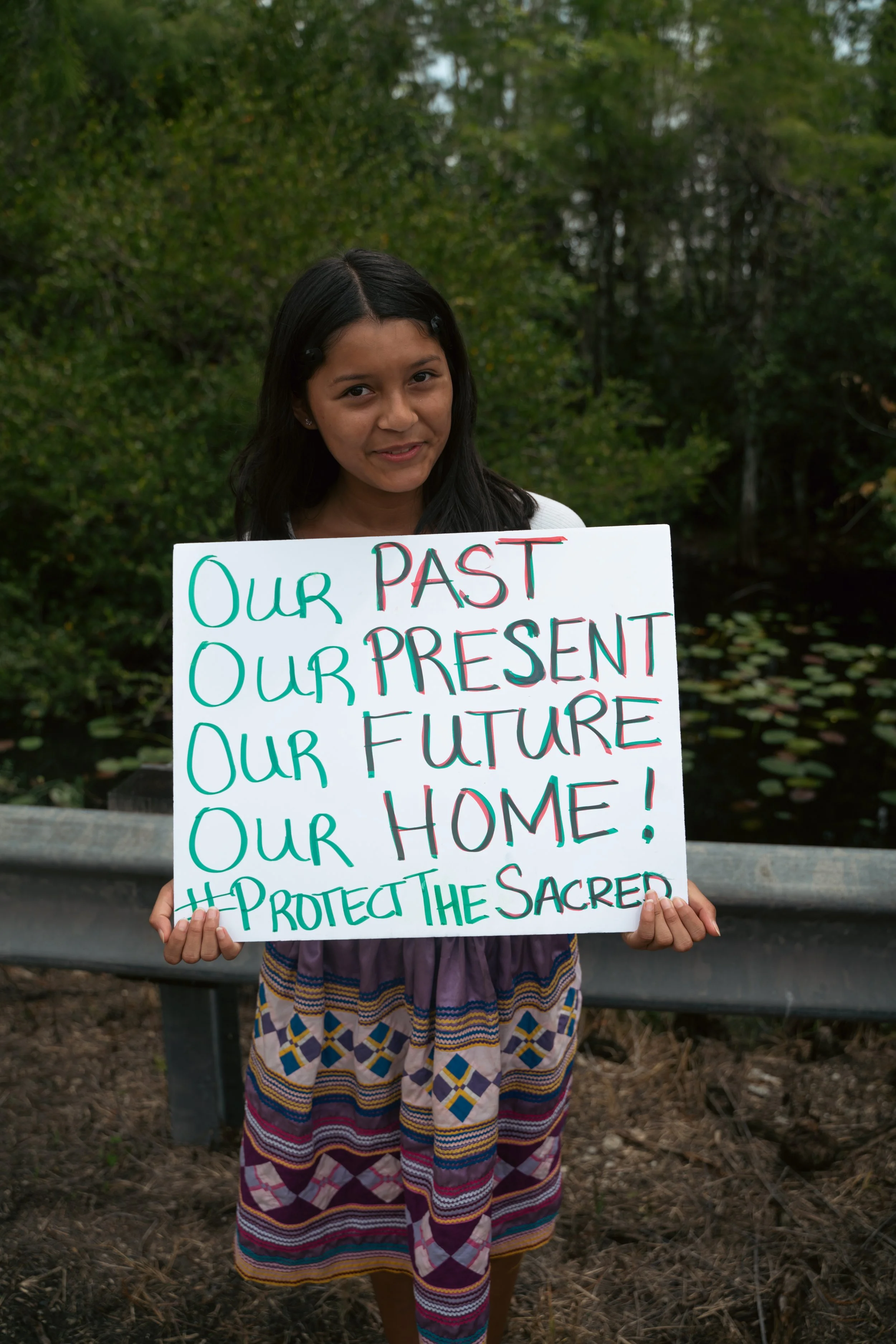
In the late 1960s, when plans first emerged to build a massive international airport here, the Miccosukee Tribe alongside Marjory Stoneman Douglas mounted a sustained legal and political fight, ultimately winning protections that halted the project and led to the creation of Big Cypress National Preserve. Decades later, the return of large-scale infrastructure to this same site reopens a battle the Miccosukee are all too familiar with.
The Miccosukee villages near the immigrant detention center are not relics but living reminders of a people who have remained here despite drainage and development. On maps, their land is boxed into labeled boundaries, yet their clan names—Otter, Panther, Cypress—echo an interconnected relationship with the whole territory.
For centuries, the Miccosukee have lived throughout the Greater Everglades Watershed, settling along tree islands and waterways that offered protection, sustenance, and refuge. After surviving the Seminole Wars and U.S. removal efforts, Miccosukee families retreated into the Everglades to avoid capture and displacement. Ironically enough, they were pushed into this very territory by foreign invading settlers.
But their roots run deeper than demarcations on a map. The land remembers, and it speaks through them.
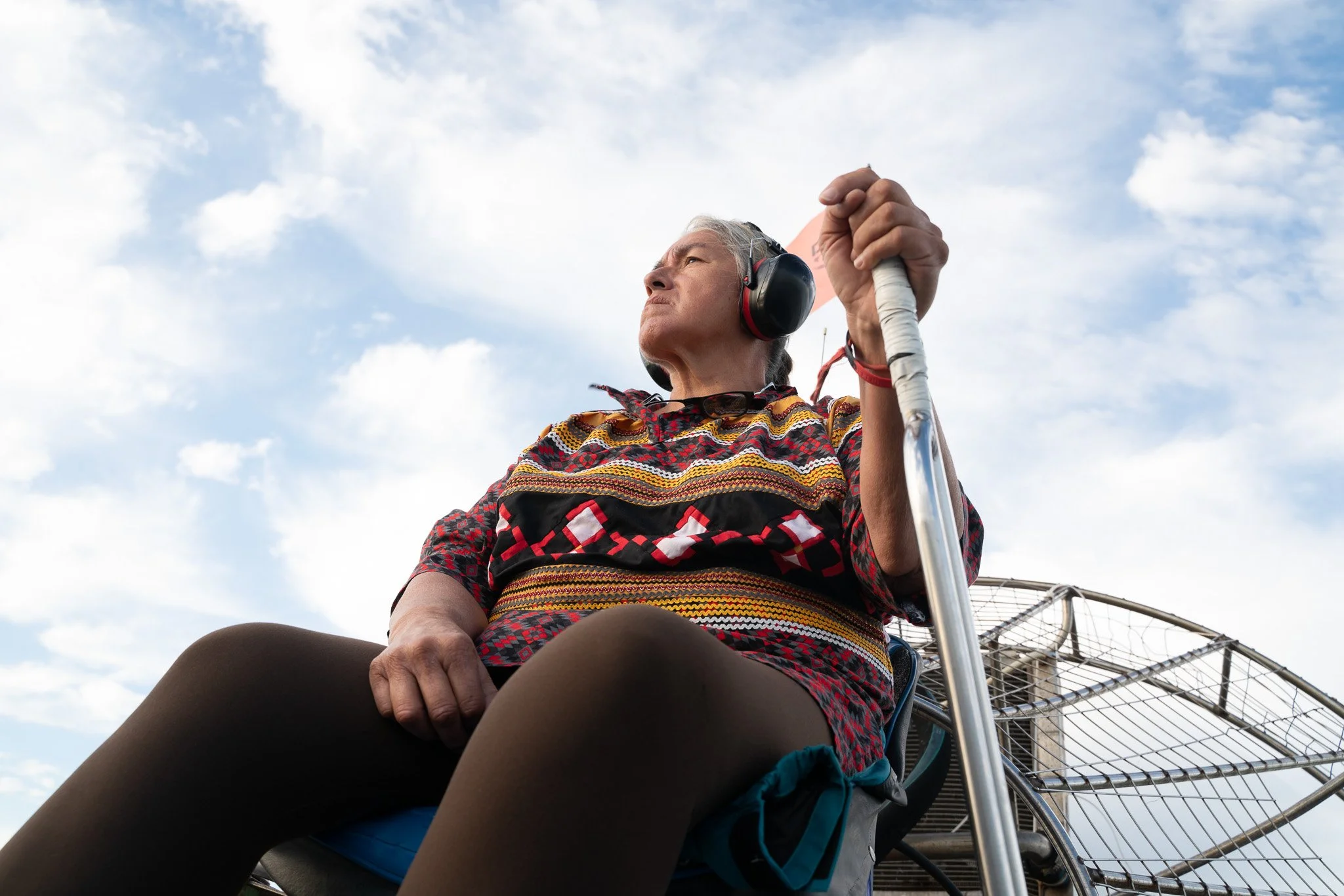
Since the announcement of the migrant detention center, Betty has been co-hosting weekly non-denominational prayer vigils with other faith leaders. Her along with people across faiths come together every Sunday (rain or shine) to pray for justice, for the closure of the detainment center, and for the people who find themselves incarcerated within it.
As I watched Betty Osceola pray, her bare feet planted in the earth and her hands held open, I wondered what her dialogue with the Creator sounded like. I wondered whether it carried the same plea voiced by her ancestors and by Indigenous peoples everywhere who have endured land seizure, broken treaties, and the violation of their sacred relationship to the natural world.
A few months ago, Betty graciously allowed me to witness her prayer.
Wading through the sawgrass trails, she led me to a spot where she often comes to spiritually recharge. She sank to her knees, half submerged in the water. Cupping a handful, she sipped directly from the wetland – water that flowed across the state from Lake Okeechobee, past the migrant detention center, and directly to her lips. Little fish gathered in her open palms as she began to pray:
Creator, Father, Grandfather,
I have not forgotten.
Creator, our people have not forgotten.
We as your children remember we are part of this ecosystem,
A part of the Everglades.
I ask that you bring healing to these lands, to this water,
To the air.
Creator, I ask you to envelop this place, Mother Earth,
In an embrace of love.
Creator, the trees are worried.
Creator, your children have lost their way.
Creator, your people are worried for tomorrow.
As your daughter, as your granddaughter, Creator, I'm here to help you.
I ask that you guide me.
I ask that you send the wind to dust off the path you want us to walk.
Creator, I ask that you continue to bring your children together
To bring back these landscapes as you had intended.
I ask, as we walk in this journey, that the footsteps we leave behind are good footsteps, so that when our future generations come and cross those footsteps, they too
Will remember.
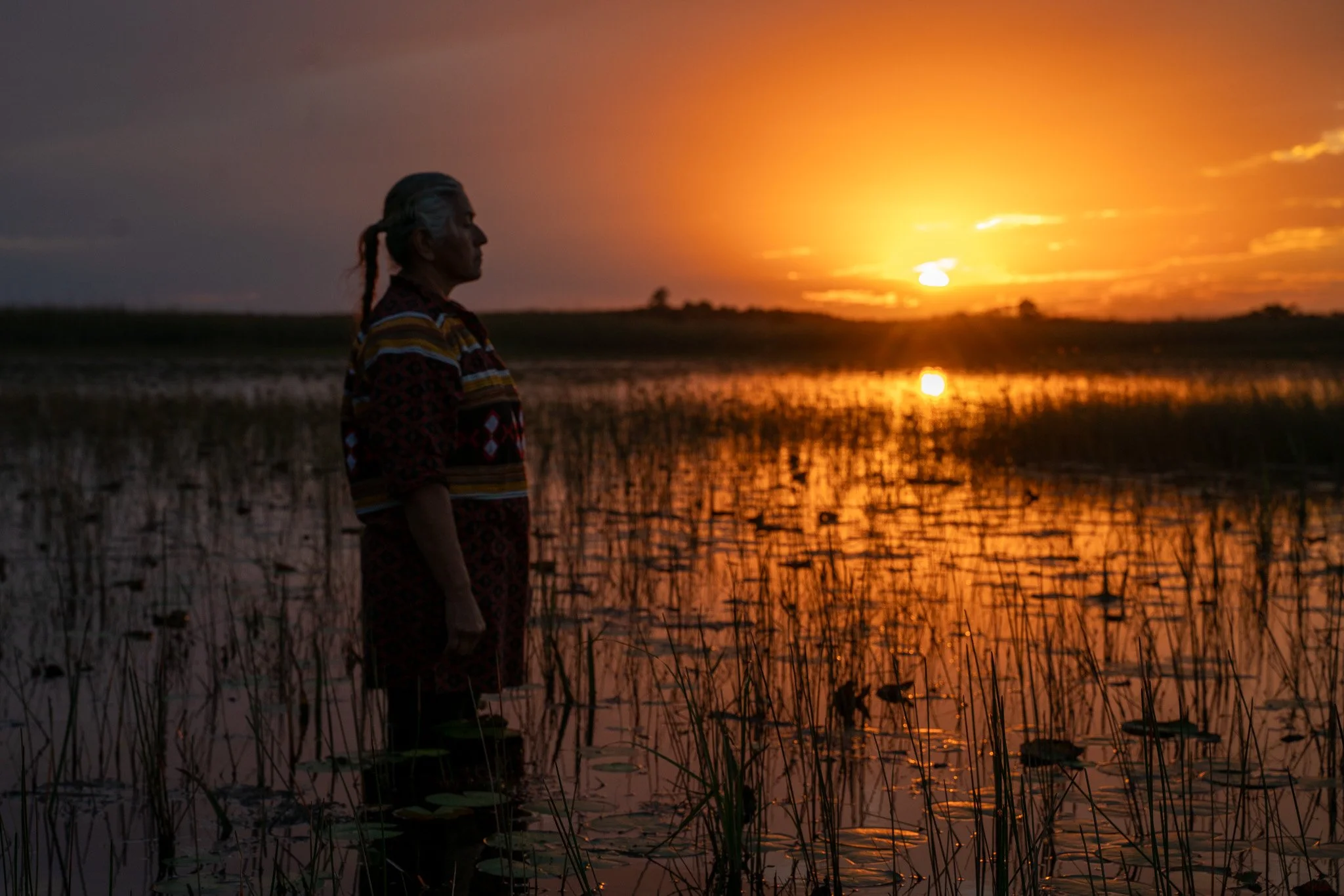
This Everglades altar, filled with peace and sanctity, was only a few meters from the entrance of the migrant detention center. In united prayer, people continue to gather every Sunday as the Miccosukee Tribe and allied environmental groups, Friends of the Everglades and the Center for Biological Diversity, battle the State of Florida and federal officials in court.
In August, a federal judge ruled that the detention center must shut down and begin winding down operations within 60 days, finding that it was built without the environmental review required under federal law. Florida officials immediately appealed, and a federal appeals court temporarily paused the closure order, allowing the facility to continue operating while the legal fight unfolds.
But as the State presses its appeal, Betty and her prayer vigil appeal to a higher power to bring justice to Big Cypress, and protect the sacred.